
Football Size Guide: How to Choose the Right Football Size for Every Age
Buying a football sounds simple until you see size 3, size 4, size 5, and sometimes even training or match versions sitting next to each other.
If you choose the wrong size, the ball can feel too heavy, too big, or simply awkward to control. For beginners and young players especially, getting the size right makes learning skills like passing, dribbling, shooting, and ball control much easier.
This football size guide breaks everything down in simple terms. I’ll show you which football size matches different ages, how to use a football size chart, what to check before buying, and which football to choose for training, matches, school, or casual play.
Key Takeaways
- Size 5 is the standard football size for most players aged around 12 and older.
- Size 4 is generally suitable for children around 8–11 years old.
- Size 3 is commonly used by younger children around 4–7 years old.
- Age ranges are useful, but your child’s comfort and playing level also matter.
- Don’t buy a smaller ball simply because it feels easier to kick; use an age-appropriate size for proper development.
- Check the ball’s circumference, weight, construction, and intended use before buying.
- Match your football to the surface you play on, especially if you’re buying for artificial turf or indoor football.
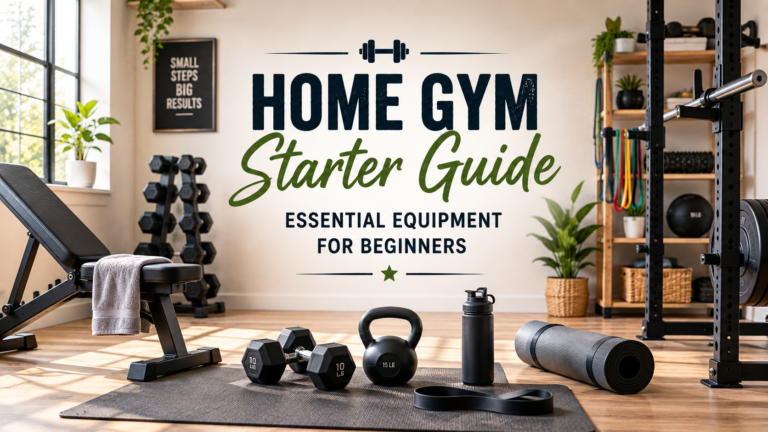
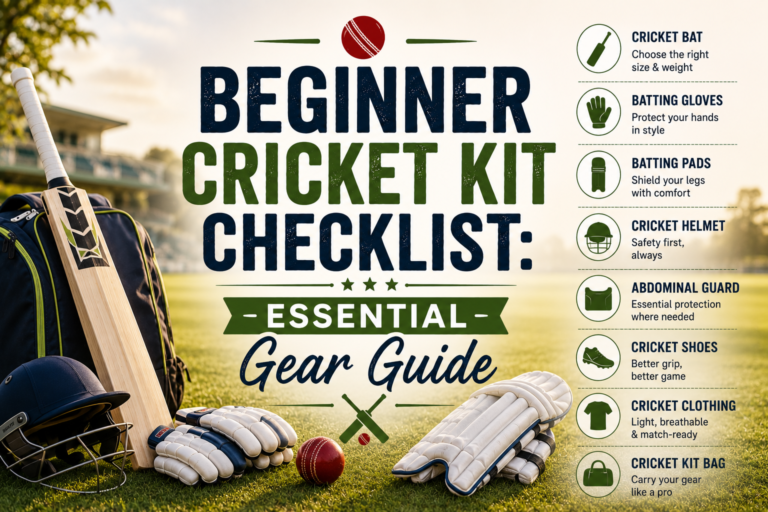
- A starter kit should include suitable football shoes, shin guards, socks, comfortable clothing, and a properly sized football.
- For regular outdoor football, look for a ball designed specifically for grass or the surface you use most.
- Always check the manufacturer’s size information because exact specifications can vary slightly between footballs.
- If you’re buying several pieces of equipment, our football gear checklist can help you make sure you don’t forget the essentials.
What Football Size Should You Buy?
The easiest way to choose a football is to start with the player’s age.
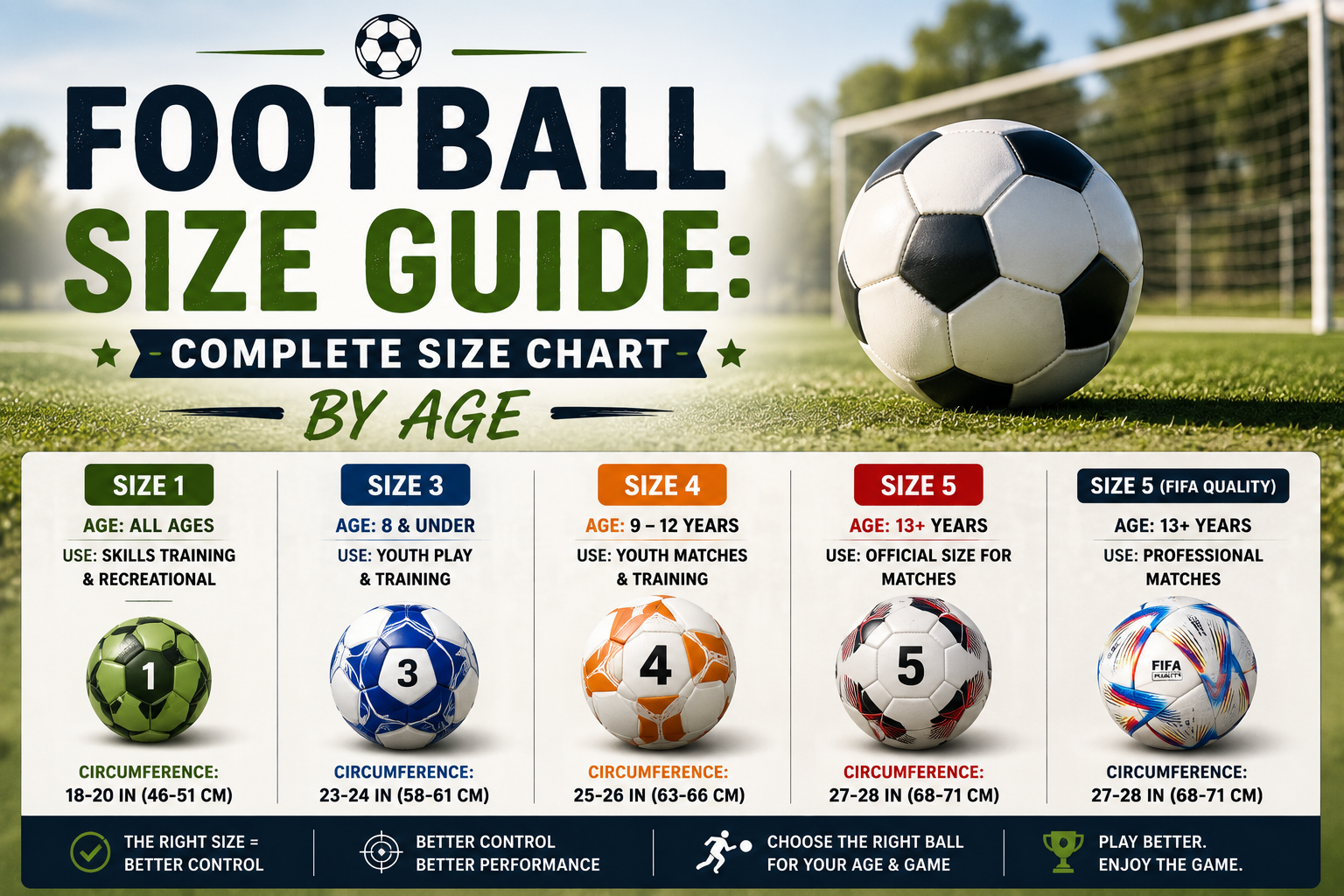
There are three main football sizes used for youth and adult play: Size 3, Size 4, and Size 5.
Here’s the basic breakdown:
| Football Size | Typical Age | Best For | General Use |
|---|---|---|---|
| Size 3 | 4–7 years | Young children | Beginner training and small-sided play |
| Size 4 | 8–11 years | Children | Youth football and training |
| Size 5 | 12+ years | Teens and adults | Standard football and competitive play |
These age ranges are a useful starting point, not an absolute rule.
A child who is smaller or still developing basic skills may feel more comfortable with a smaller ball during practice. However, if they’re playing organized football with a specific ball size, follow the rules of their league or competition.
Football Size Chart
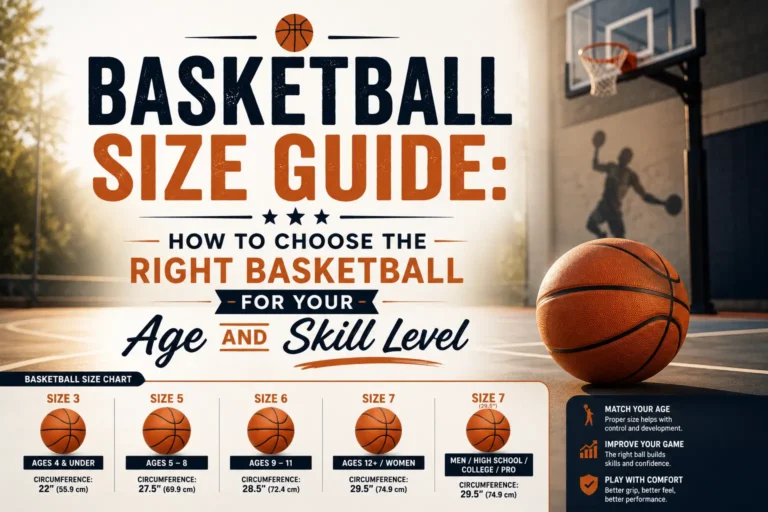
If you just want a quick answer, this football size chart is the easiest reference to save.
| Size | Approx. Circumference | Typical Weight | Recommended Age | Common Use |
|---|---|---|---|---|
| Size 3 | About 58–61 cm | About 300–320 g | 4–7 years | Young children |
| Size 4 | About 63–66 cm | About 350–390 g | 8–11 years | Youth football |
| Size 5 | About 68–70 cm | About 410–450 g | 12+ years | Teens and adults |
The measurements above represent common ranges rather than one universal specification.
Different manufacturers can have slightly different measurements, so always check the product information before purchasing.
For most beginners, though, the simple rule is:
4–7 = Size 3
8–11 = Size 4
12+ = Size 5
What Is a Size 5 Football?
A Size 5 football is the standard full-size football used by older youth players, teenagers, and adults.
If you’re buying a football for an adult player, Size 5 is normally the right starting point.
It’s also the size you’ll commonly see used for senior outdoor football.
A Size 5 ball is larger and heavier than youth footballs, so younger children can find it difficult to control. That’s why choosing Size 5 simply because it’s the “normal” football isn’t always the best choice.
Who Should Use a Size 5 Football?
Size 5 is generally appropriate for:
- Players aged 12 and above
- Teenagers
- Adults
- Senior-level football
- Most standard outdoor football training
- Competitive football where Size 5 is required
- Older beginners learning the game
If you’re buying your first football as a teenager or adult, I’d normally recommend starting with a good-quality Size 5 rather than experimenting with smaller youth sizes.
What Is a Size 4 Football?
A Size 4 football is slightly smaller and lighter than a Size 5.
It’s commonly used for children between approximately 8 and 11 years old.
The smaller size gives young players a better chance to control the ball while they develop basic skills.
Why Does Size 4 Matter?
Imagine giving an eight-year-old a full-size football and asking them to dribble around cones.
They may be able to kick it, but controlling it close to their feet can be much harder.
A Size 4 football gives them a more manageable ball while still providing a good transition toward the full-size football they’ll eventually use.
Size 4 is commonly suitable for:
- Youth training
- Children around 8–11
- School football
- Junior teams
- Beginner drills
- Small-sided games
What Is a Size 3 Football?
A Size 3 football is designed for younger children.
It’s smaller and lighter than both Size 4 and Size 5, making it easier for young players to handle.
For children around 4–7 years old who are just discovering football, Size 3 is often the most comfortable starting point.
Is Size 3 Only for Toddlers?
No.
It’s intended for young children who are beginning to learn football skills.
A Size 3 football can be useful for:
- Basic kicking practice
- Dribbling
- Passing drills
- Learning ball control
- Backyard football
- Beginner youth sessions
The goal isn’t simply to make the ball easier.
It’s about giving young players something they can realistically control with their developing strength and coordination.
Does Age Determine Football Size?
Age is the easiest way to choose, but it isn’t the only factor.
You should also consider:
- The player’s height and physical development
- Their current skill level
- The football rules used by their team
- Whether they’re training or playing matches
- The surface they’ll use
- What size their coach recommends
For example, two children of the same age may have very different levels of physical development.
That’s why the football size guide should be treated as a starting point rather than a strict measurement of what every player must use.
If your child’s coach or league specifies a particular size, follow that requirement.
How Do You Measure a Football?
Football size is usually determined by its circumference, rather than simply measuring from one side to the other.
If you’re checking a football at home, you can use a flexible measuring tape.
Wrap it around the widest part of the ball and record the circumference.
Common Football Circumference Ranges
| Size | Circumference |
|---|---|
| Size 3 | Approximately 58–61 cm |
| Size 4 | Approximately 63–66 cm |
| Size 5 | Approximately 68–70 cm |
Don’t rely on appearance alone.
A Size 4 and Size 5 football can look fairly similar in a product photo, especially when you’re shopping online.
Always check the listed size in the product description.
Does Football Weight Matter?
Yes.
Football size isn’t only about circumference. The ball’s weight also affects how it feels when you kick, pass, receive, or shoot.
A heavier ball can require more strength to control.
For a young child, this can make basic skills frustrating.
Typical ranges are:
- Size 3: around 300–320 g
- Size 4: around 350–390 g
- Size 5: around 410–450 g
Again, these are common ranges rather than rules for every football on the market.
If you’re buying for a child, don’t assume that a heavier ball means better quality.
The right size and appropriate construction are much more important.
Football Size vs Football Quality
Getting the size right is important, but size isn’t the only thing you should look at.
You can have the correct Size 5 football and still end up with a poor choice if the ball isn’t suited to how you play.
Before buying, check:
1. Ball Size
Make sure it’s the correct size for the player.
2. Surface
Check whether it’s designed for grass, artificial turf, indoor courts, or general training.
3. Construction
Look at how the ball is made and whether it’s intended for casual use or regular training.
4. Shape Retention
A good football should maintain its shape during normal use.
5. Air Retention
If you’re using the ball frequently, you don’t want to constantly stop and inflate it.
6. Durability
Think about where you’ll use it.
A football used every day on rough artificial surfaces needs to handle more wear than one used occasionally on a clean grass field.
Which Football Should Beginners Buy?
If you’re new to football, you don’t need to spend a huge amount of money on your first ball.
Start by choosing the correct size and surface type.
For most beginners:
Young child: Size 3
Older child: Size 4
Teen or adult: Size 5
Then look for a football that is durable enough for regular practice.
You don’t necessarily need the most expensive match ball.
In fact, a durable training ball can be a better choice if you’re going to use it several times a week in a park or training ground.
Training Football vs Match Football
Not every football is made for exactly the same purpose.
You may see footballs marketed as training balls, match balls, recreational balls, or indoor footballs.
Training Football
Training footballs are built for repeated practice.
They’re a practical choice if you’re:
- Practicing several times a week
- Working on passing
- Doing shooting drills
- Practicing dribbling
- Training outdoors
Durability is usually more important than having the most premium match specifications.
Match Football
Match footballs are designed for organized games and competitions.
If you’re playing in a league, check the rules before buying.
Some competitions require a specific size, approval, or ball specification.
Recreational Football
For casual backyard or park football, you can keep things simple.
Focus on:
- Correct size
- Comfortable feel
- Durability
- Suitable surface
- Reasonable price
You don’t need professional-level equipment just to have fun.
How to Choose a Football for Different Surfaces
The football itself isn’t the only piece of equipment affected by the playing surface.
Your shoes also need to match where you’re playing.
Let’s separate the two.
Natural Grass
If you regularly play on natural grass, choose a football designed for outdoor grass use.
For footwear, traditional firm-ground football boots are commonly used on suitable natural grass pitches.
The exact shoe choice depends on how firm or soft the ground is.
Artificial Turf
Artificial turf can feel very different from natural grass.
If you play regularly on artificial turf, look for football shoes designed specifically for that surface.
Don’t assume that every pair of football boots works equally well on every artificial pitch.
The wrong sole can affect comfort and traction.
Indoor Courts
Indoor football is different again.
Indoor shoes generally have a flat, non-marking sole designed for hard indoor surfaces.
You don’t need traditional outdoor studs for a standard indoor court.
The same principle applies to the ball: check whether the football is intended for indoor use.
Hard Outdoor Surfaces
Some beginners play football on hard ground, concrete, or rough recreational surfaces.
These conditions can be tough on both shoes and footballs.
If that’s where you play most often, prioritize durability.
A premium grass match ball isn’t necessarily the best everyday choice for rough ground.
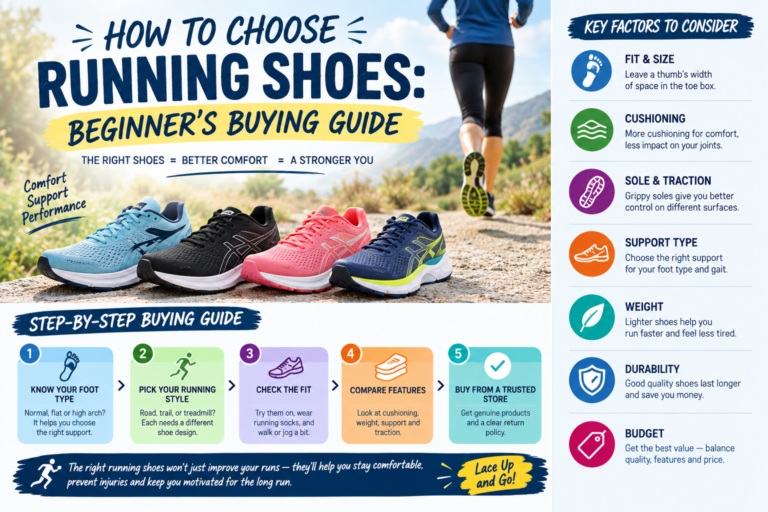
What Football Shoes Should Beginners Buy?
Your football shoes should match the surface you actually play on.
That’s more important than choosing a shoe simply because it looks good.
Here’s a simple starting point:
| Playing Surface | Common Shoe Type |
|---|---|
| Natural firm grass | Firm-ground football boots |
| Artificial turf | Artificial-turf/turf-specific footwear |
| Indoor court | Indoor football shoes |
| Hard recreational surface | Suitable flat or turf-style footwear |
If you’re unsure, ask your coach or check the rules for your playing facility.
And don’t forget comfort.
A shoe that looks great but causes discomfort after 20 minutes isn’t a good football shoe for you.
Essential Football Safety Gear for Beginners
Football doesn’t require a huge amount of equipment, but some items are worth prioritizing.
Shin Guards
Shin guards are one of the most important pieces of protective equipment.
They protect the front of your lower legs from kicks and collisions.
Make sure they fit comfortably and stay in place while you run.
They shouldn’t feel so loose that they move around during play.
Football Socks
Football socks help hold shin guards in place and provide coverage around the lower leg.
Choose a comfortable pair that fits properly.
Avoid socks that are so tight that they become uncomfortable during longer sessions.
Football Boots
Your shoes should provide suitable grip for the surface you’re playing on.
They should also fit securely without crushing your toes.
When trying them on, wear the socks you’d normally use for football.
Comfortable Football Clothing
You don’t need complicated clothing for beginner training.
A basic setup can include:
- Football shirt
- Football shorts
- Football socks
- Shin guards
- Appropriate football shoes
For colder weather, add suitable layers while making sure you can still move comfortably.
What Should Be in a Beginner Football Starter Kit?
If you’re buying equipment for yourself or a child who’s just starting, keep it simple.
A practical starter kit includes:
Essential
- Correct-size football
- Football shoes suitable for the surface
- Shin guards
- Football socks
- Comfortable shirt
- Football shorts
- Water bottle
Useful Extras
- Training cones
- Small equipment bag
- Spare socks
- Pump
- Ball needle
- Lightweight training jacket
You don’t need every possible football accessory on day one.
I’d rather see a beginner with a properly sized football, comfortable shoes, and good shin guards than someone carrying a huge bag full of equipment they never use.
How to Choose the Right Football for a Child
Buying football equipment for children can be slightly confusing because they grow quickly.
Start with the age and recommended football size.
Then check whether their club or school has a specific requirement.
For Ages 4–7
A Size 3 football is generally the best starting point.
Focus on comfort and easy control.
For Ages 8–11
A Size 4 football is generally appropriate.
This is also a good age to start developing more consistent passing, dribbling, and shooting skills.
For Ages 12+
Size 5 is generally the standard.
If the player is preparing for competitive football, use the size required by their competition.
Should a Child Practice With a Smaller Football?
Sometimes, yes.
A smaller football can be useful for certain skill exercises because it encourages players to pay attention to touches and control.
But that doesn’t mean a child should permanently use a smaller football than their age group requires.
If they’re going to play matches with a Size 4 or Size 5, they should also regularly practice with that size.
The goal is to develop skills that transfer to actual games.
How Much Should You Spend on a Football?
You don’t need to buy the most expensive football available.
Your budget should depend on how often you’ll use it.
Occasional Play
For backyard or casual weekend football, a reasonably priced durable ball is usually enough.
Regular Training
If you’re practicing several times per week, spending a little more on durability can make sense.
Competitive Football
If you’re playing organized competitions, check what type of ball your league requires before spending money.
The key question isn’t:
“What’s the most expensive football I can buy?”
It’s:
“What football fits how and where I actually play?”
Common Football Buying Mistakes
Even experienced buyers can make simple mistakes.
Here are some of the biggest ones I see.
Choosing the Wrong Size
Buying Size 5 for a young child because it’s the “standard” football can make learning more difficult.
Always start with the recommended youth size.
Ignoring the Playing Surface
A football designed for one environment may not be the best choice for another.
Think about where you’ll use it most.
Buying Based Only on Appearance
A football can look fantastic and still be unsuitable for your needs.
Check its size, intended use, construction, and durability.
Buying Shoes Without Checking the Surface
This is especially important if you play on artificial turf or indoors.
The sole should match the surface.
Forgetting Shin Guards
Don’t treat shin guards as optional beginner equipment.
They’re a basic piece of protection for football players.
Overbuying Equipment
You don’t need a professional-level kit when you’re still learning the basics.
Start with the essentials and add equipment as your needs develop.
What to Check Before Buying a Football Online
Buying online is convenient, but photos can be misleading.
Before placing your order, check these details:
Football Size
Confirm whether it’s Size 3, Size 4, or Size 5.
Intended Age
If the manufacturer provides an age recommendation, compare it with the player’s age.
Circumference and Weight
Check the listed measurements when available.
Surface
Look for information about grass, artificial turf, indoor use, or training.
Construction
Check whether it’s intended for training, recreation, or match play.
Reviews
Look for comments about durability, air retention, shape, and real-world use.
Return Policy
If you’re buying online, check the return conditions before ordering.
This matters especially when buying football shoes because sizing can vary between brands and models.
Football Size Guide vs Art of Football Size Guide
You may come across searches for an art of football size guide when researching football sizes online.
If you’re looking at a particular retailer or football brand, don’t assume its product categories automatically follow the exact same recommendations as another seller.
The safest approach is to compare the listed football size with the manufacturer’s measurements and your player’s age group.
In other words, don’t rely on a product title alone.
Check the actual size information before purchasing.
Can You Use a Size 5 Football for Training?
Yes, if you’re old enough and it’s the size used for your level of play.
For teenagers and adults, Size 5 is normally the standard choice for both training and matches.
For younger children, using a full-size football may make some drills unnecessarily difficult.
If you’re coaching young players, use age-appropriate equipment and adjust training activities to their ability.
Does Football Inflation Affect Size?
The amount of air inside a football affects how it feels and performs.
A ball that is underinflated can feel soft and difficult to pass accurately.
A ball that is overinflated can feel hard and uncomfortable.
That’s why you should follow the inflation guidance provided by the football manufacturer rather than simply pumping it until it “feels hard enough.”
Use a proper pump and check the recommended pressure when available.
How Do You Store a Football?
Proper storage can help your football last longer.
After playing:
- Remove dirt and grass from the surface.
- Let the ball dry if it became wet.
- Store it somewhere cool and dry.
- Avoid leaving it in extreme heat for long periods.
- Don’t keep heavy objects sitting on top of it.
- Check its inflation before your next session.
You don’t need a complicated storage system.
Just avoid treating your football like something that can be left outside permanently.
Football Size Guide: Quick Decision Table
If you’re still unsure, use this quick reference.
| Your Situation | Best Starting Choice |
|---|---|
| Child aged 4–7 | Size 3 |
| Child aged 8–11 | Size 4 |
| Teen aged 12+ | Size 5 |
| Adult beginner | Size 5 |
| Casual backyard football | Age-appropriate size |
| Youth team training | Follow team/coach requirements |
| Competitive football | Use competition-required size |
| Indoor football | Check facility and ball requirements |
| Artificial turf | Choose suitable ball and footwear |
| Regular outdoor training | Durable training football |
Football Buying Checklist
Before you buy, run through this list.